GUIDE / STRUCTURE ONLY
A draw maps possible progression.
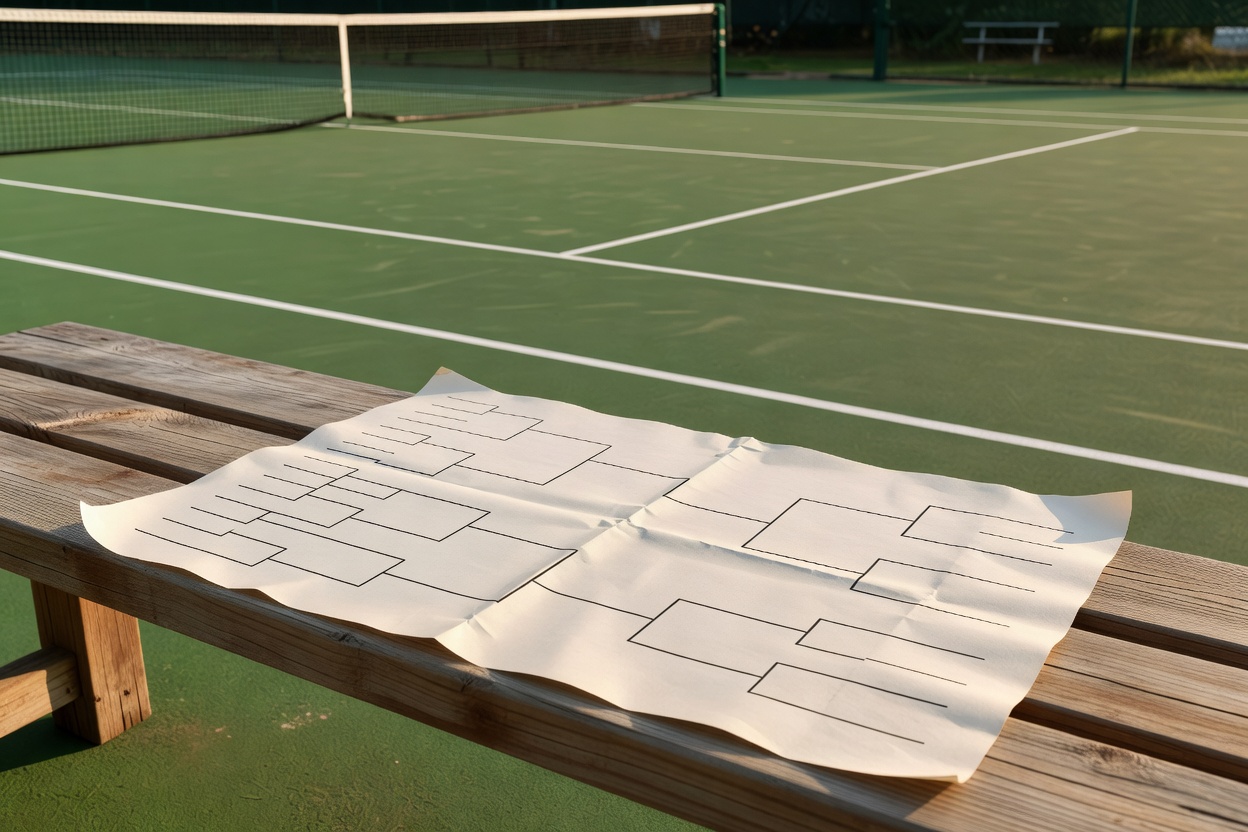
A tournament draw shows how matches connect across rounds. It is a structure, not a prediction and not proof that every listed slot is active. A reliable display identifies the draw type, round labels, player or placeholder positions, match state and update time. This page explains common interface concepts. It does not describe a current competition or identify participants.
Qualifying and main draw.
Qualifying rounds form a route into a main draw when an event uses that structure. A qualifying bracket should be visually distinct from the main draw while still showing how a qualifying place connects forward. The main draw contains the round sequence used for the event’s primary competition. Interfaces should label each section rather than placing all rounds into one undifferentiated list. If qualifying positions are not yet decided, show a neutral qualifier placeholder. Do not guess who will advance.
Draw size and format vary. Some structures use a knockout path; some include preliminary stages or other event-specific arrangements. Explain the format only when verified. A bracket should let readers move from a first-round pairing to the next round without losing their place. On small screens, a linear round-by-round view can work better than shrinking a wide bracket until names become unreadable.
Seeds, positions and byes.
A seed is a draw designation, not a match result or a guarantee of progression. Display a seed beside the correct entry and explain the notation. Do not infer rankings from seed order. Position refers to a slot in the draw. When a slot is vacant, represent it as vacant or pending instead of filling it with invented information.
A bye is a position that advances past a round without a played match, where the event rules provide for one. It is not a victory by score. The display should mark a bye distinctly and connect the entry to the next round. This avoids creating a false match record. If a draw changes after publication, preserve enough context to show that an update occurred.
DRAW STRUCTURE — NOT A LIVE DRAW
ROUND A: SLOT 1 vs SLOT 2 → WINNER ADVANCES · ROUND B: WINNER vs BYE POSITION · STATUS: STRUCTURAL EXAMPLE
Rounds and progression.
Round labels should use a consistent naming system and a clear reading order. Common labels include qualifying rounds, first round, later rounds, semifinal and final, but the exact terminology depends on the format. A schedule lists when a match is planned; a draw shows where it sits in the competition path. Linking a draw position to a schedule is useful only when the match identity and update state align.
Progression should be recorded after a match state is confirmed. A connector line alone may not tell a reader whether a slot is pending, completed or advanced by another route. Use text labels and accessible status indicators. Do not rely on color alone. Keep player names, seeds and match status in separate, scannable fields. A bracket should remain usable with a keyboard and a screen reader, even if a visual connector diagram is also provided.
Withdrawals, walkovers and draw updates.
A withdrawal can occur before a match begins. A walkover describes progression without a completed played match under the applicable event record. They should not be treated as ordinary set scores. The draw should identify the status, show which position advances if confirmed, and avoid creating a result line that suggests play occurred. Retain a concise update note if the draw is revised.
Draw publication and correction need careful version handling. Useful metadata includes a “last updated” time, a clear current version and the source of the verified update. A previous entry should not remain visually active when it has been superseded. If a change is pending confirmation, label it as pending. Avoid implying live synchronization unless the feature exists.
What a clear draw interface shows.
Prioritize event context, round, position, participants, status and progression. Add a compact legend for seeds, byes and unresolved places. Provide a list alternative for mobile and assistive technology. Let the user select a round without resetting unrelated filters. Include a route back to the event schedule and the results record when those records are available.
This independent guide is not affiliated with a tennis tour, federation, club, event or organizer. Draws can change. Check an authorized source for current participation. Continue to the match results guide, schedule guide or archive guide.